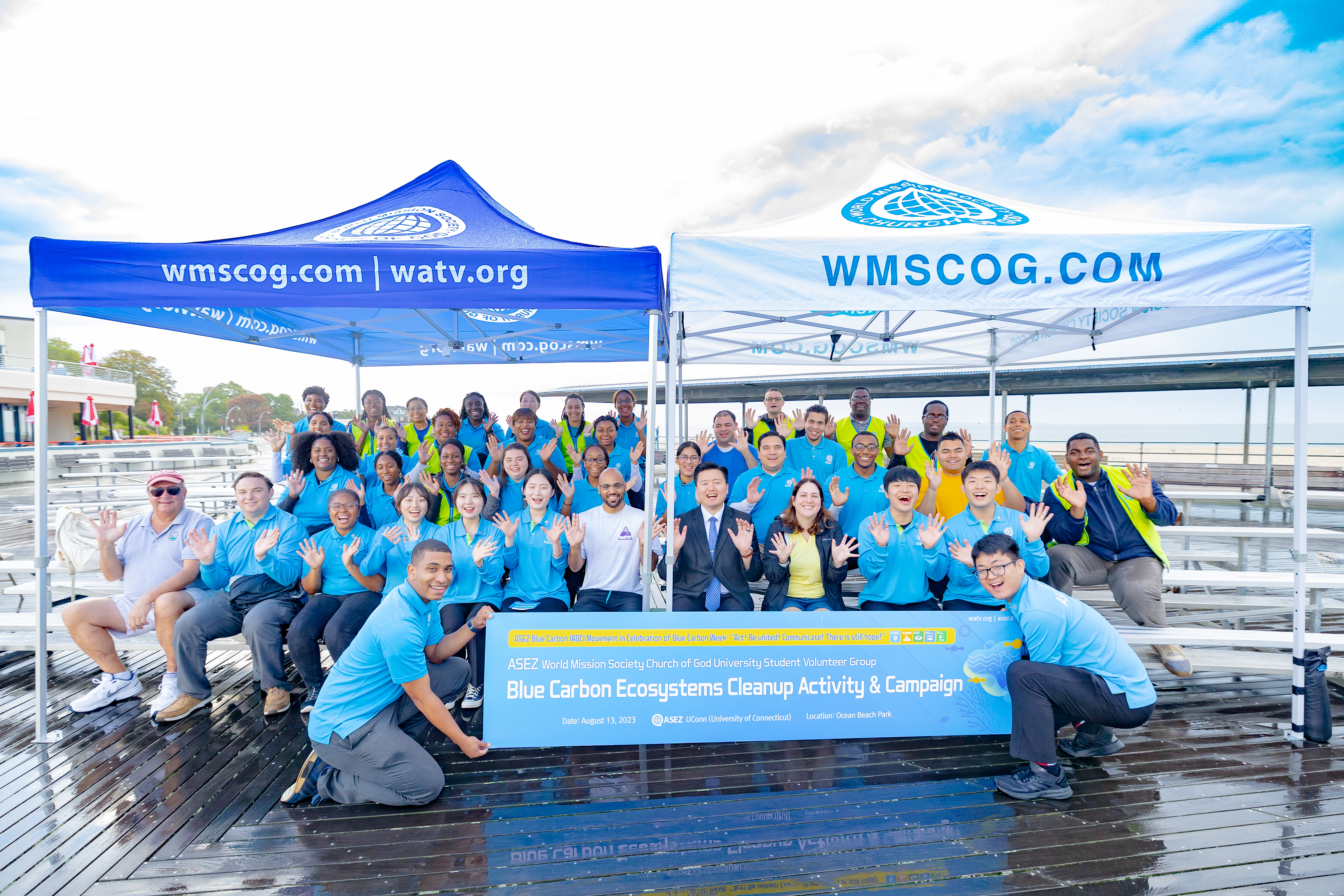
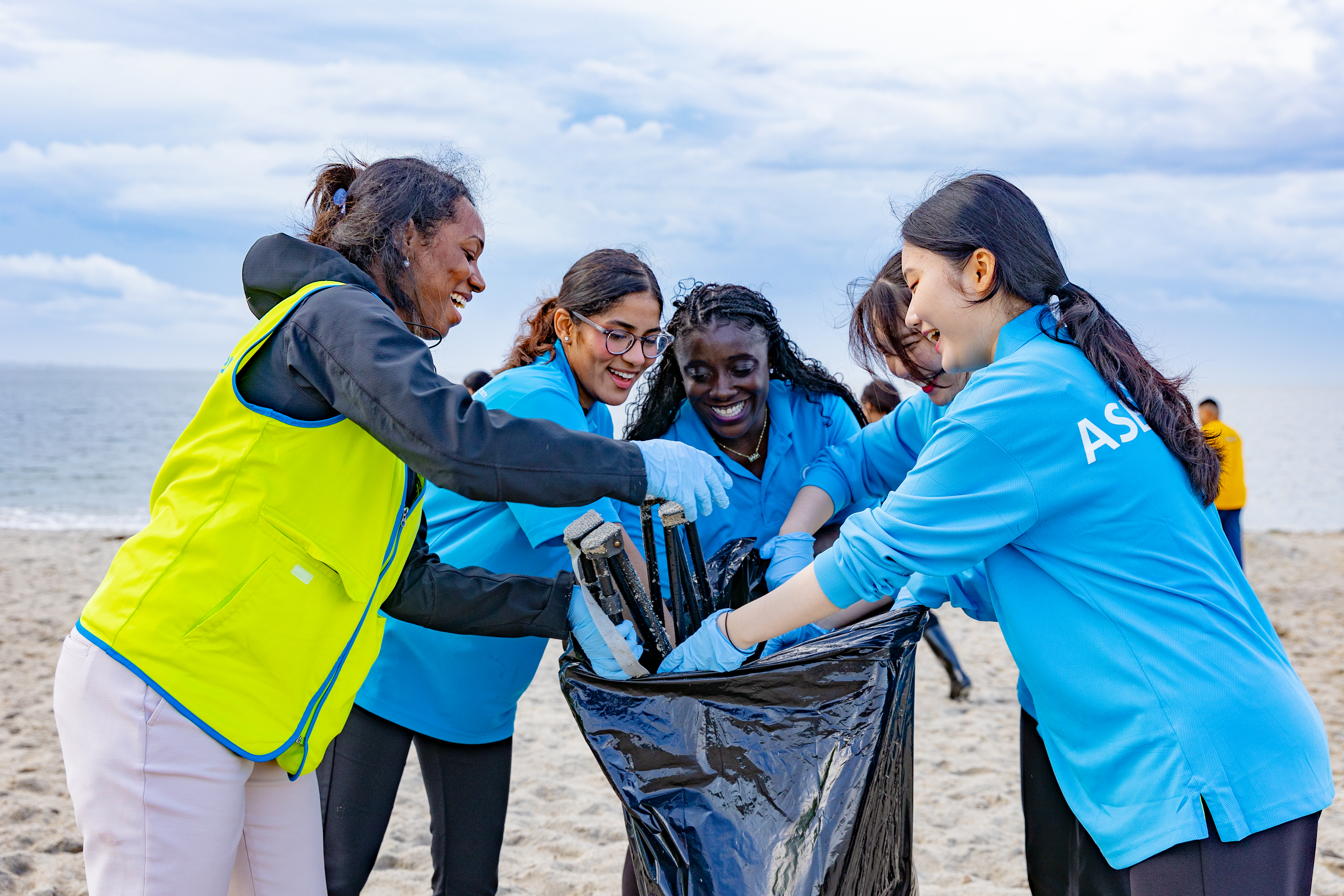
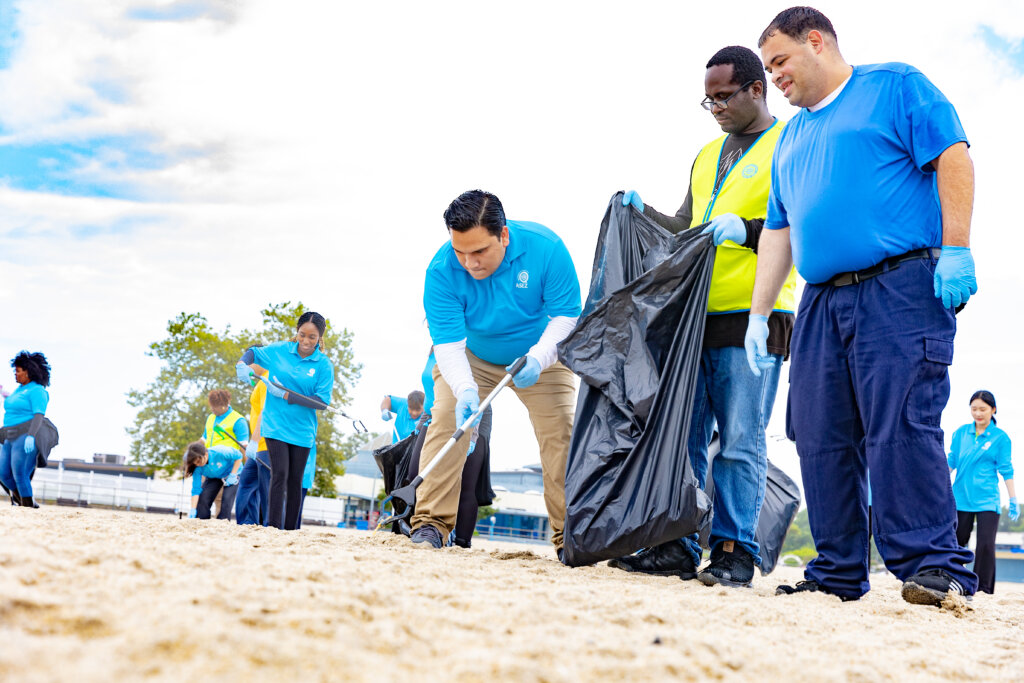
On the bright summer morning of August 13, 2023, 34 ASEZ volunteers gathered at Ocean State Beach Park in New London, Connecticut with one mission: to protect our planet’s blue carbon ecosystems. Their efforts not only beautified the shoreline but also contributed to global climate action.
What is Blue Carbon?
Blue carbon refers to carbon captured and stored by marine and coastal ecosystems. These ecosystems act as a carbon storage basin, trapping the greenhouse gas underground. When the carbon dioxide (CO₂), dissolves in the ocean water, it converts to organic matter in nearby waterlogged soil. Blue carbon habitats are efficient because they trap CO₂ at greater speeds and for longer lengths of time than land forests. Carbon gas emissions are the most common type of greenhouse gas leading to global warming. Supporting the health of blue carbon habitats is a great way to fight climate change. By safeguarding blue carbon ecosystems, ASEZ volunteers are not only preserving marine life but also taking meaningful steps toward a healthier planet and sustainable future for all.
ASEZ Earns Local and Global Recognition for Environmental Efforts
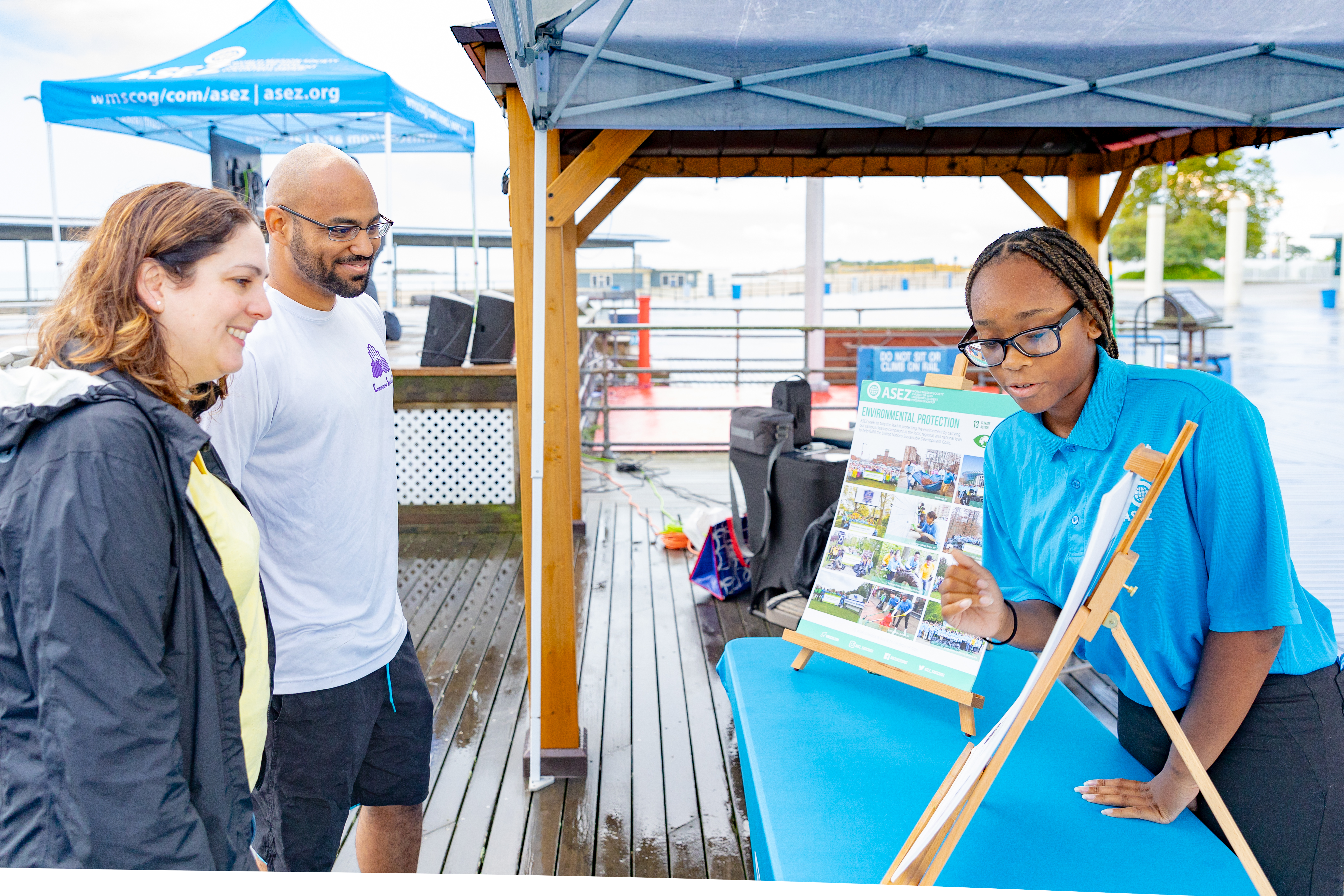
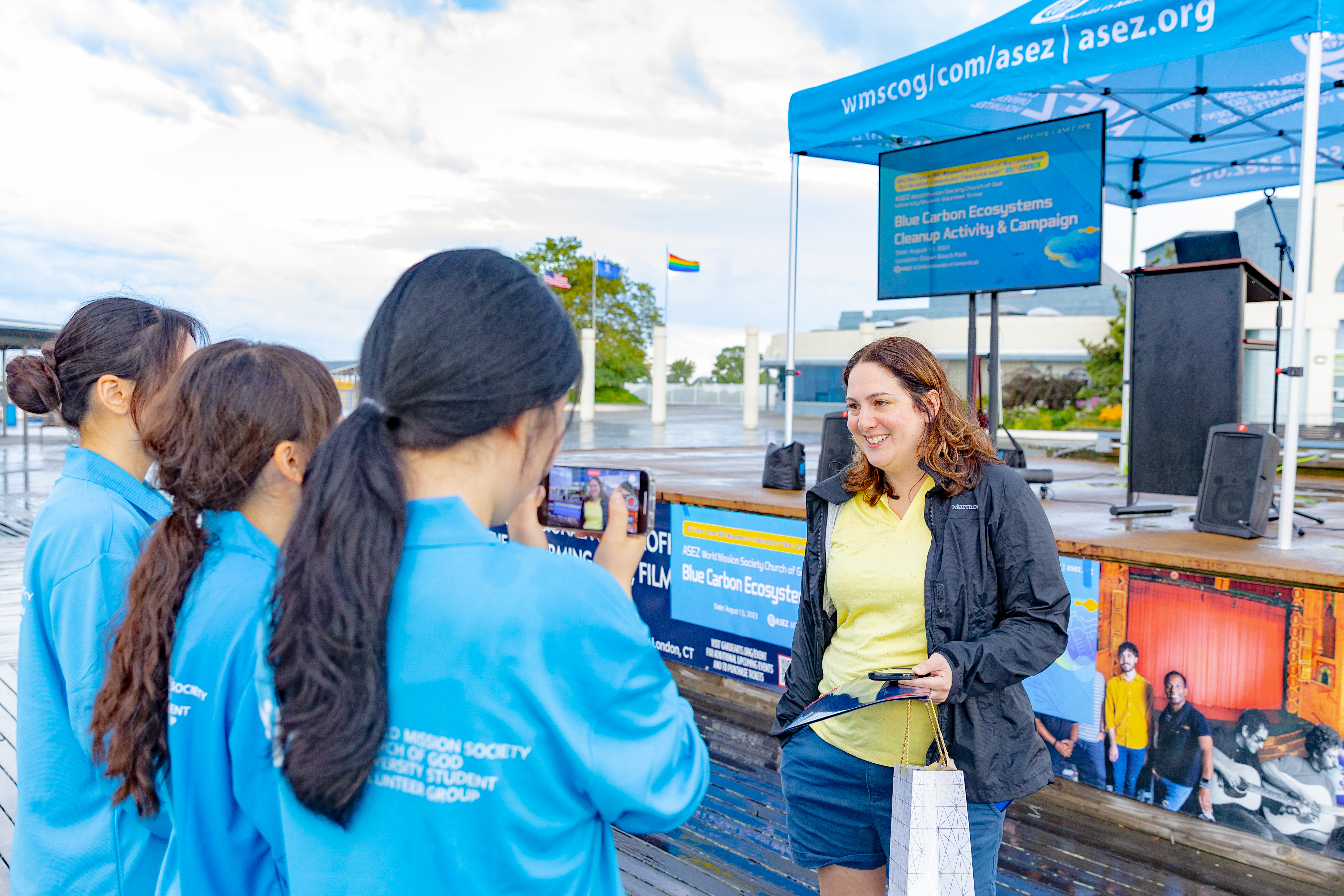
Operating in 175 countries, it’s no surprise that ASEZ has global reach. Volunteers visiting from South Korea joined their peers in the Connecticut chapter for the cleanup. The Mayor of Groton, Juan Melendez, complimented the young adults for their global efforts with a formal citation. When asked what he thought about ASEZ and its activities, Mayor Melendez shared: “I was very impressed about the scope around the world that you guys reach, all over the world as a student-led organization. You don’t see many of them that have a global reach. A lot of them are local and it’s really impressive… the amount of work you’ve done around the world…”
Volunteers Restore Ocean Park Beach Ecosystem
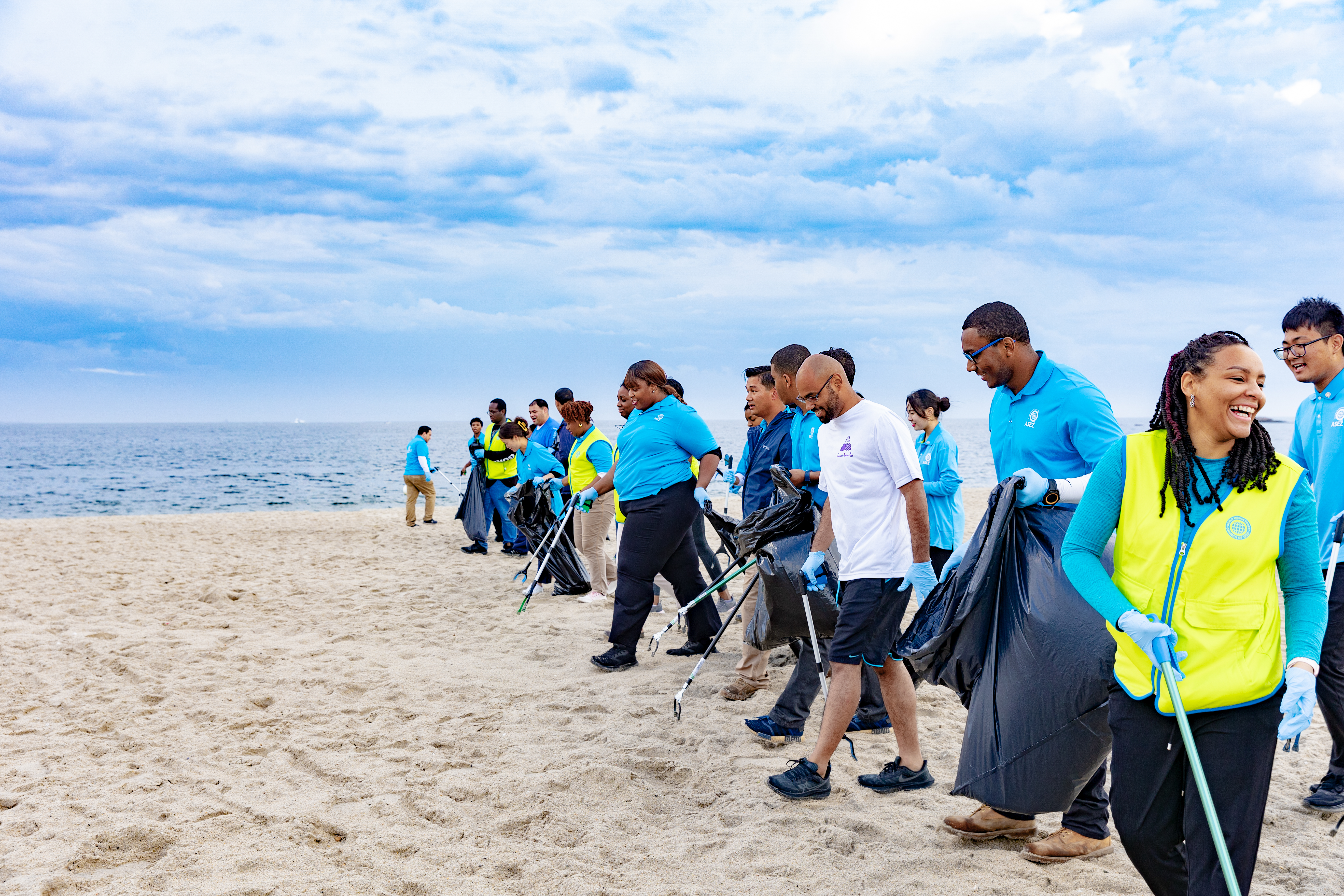
Ocean Park Beach draws more than 500,000 annually—and with them come trash and plastic waste. The ASEZ team of university students and guests cleared waste from the beach and collected more than 220,000 liters of plastic debris, restoring more than a mile-long stretch of shoreline. Their efforts not only improved the local environment but also contributed to global sustainability goals.
To learn more about ASEZ activities in Connecticut, click here.